Last Updated: November 2, 2026
Quick Summary
For a mother of the bride, satin vs chiffon comes down to the day’s conditions: chiffon is lighter and more breathable for warm outdoor events, while satin gives a polished, structured look that suits formal indoor evenings. Construction details like lining and boning often affect comfort as much as the fabric itself.
- Chiffon is generally the more breathable option, helpful in marquees or on warm afternoons.
- Satin is heavier and holds its shape, but its tighter weave traps more warmth.
- Chiffon usually needs a lining or slip to avoid transparency, which adds warmth.
- A satin bodice with a chiffon skirt or sleeves is a practical compromise.
- Try a dress on by sitting for five minutes and raising your arms before deciding.
Table of Contents
- Satin vs Chiffon: The Key Differences for Mothers of the Bride
- Comparison Table: Satin and Chiffon at a Glance
- Comfortable Mother of the Bride Outfits: How Each Fabric Feels on a Long Day
- Best Fabric for Mother of the Bride Dress: Pros and Cons of Each
- Summer Mother of the Bride Dresses: Which Fabric Suits Warm Weather
- Mother of the Bride Dress Fit and Comfort: Construction Matters as Much as Fabric
- Choosing Your Dress: Book a Fitting at Sofi Designs
- Frequently Asked Questions
Satin vs Chiffon: The Key Differences for Mothers of the Bride
Choosing between satin and chiffon is often the first real decision a mother of the bride makes about her outfit, and comparing satin vs chiffon early shapes how the whole day feels. For a broader guide to what to look for in a mother of the bride outfit beyond fabric alone, see that article.
Satin versus chiffon is a comparison of two fabric constructions rather than two fibres. Satin is a weave that produces a glossy face and a smooth surface, while chiffon is a sheer, lightweight weave that drapes loosely. Fashion fabric construction guide
A common mistake is to choose on appearance alone. Satin photographs beautifully under flash, but a heavier satin can feel warm after several hours indoors.
Comparison Table: Satin and Chiffon at a Glance
| Factor | Satin | Chiffon |
|---|---|---|
| Surface | Smooth, glossy | Soft, matte |
| Weight | Heavier, more structure | Light, fluid |
| Breathability | Lower, can feel warm | Higher, airy |
| Drape | Sculptural, holds shape | Soft, flowing |
| Best for | Formal indoor events | Warm days, outdoor venues |
Comfortable Mother of the Bride Outfits: How Each Fabric Feels on a Long Day
Comfort is where the two fabrics diverge most. Wedding days often run from morning preparations to late evening, so how a dress behaves over hours matters as much as how it looks in photographs. Mothers of the bride often have a different day, longer, more seated, more photographed, and often spanning several venues and temperatures.
Breathability, Weight and Drape
Chiffon is generally the more breathable option. Its open weave lets air move across the skin, which can be helpful in a marquee or on a warm afternoon.
Drape also affects comfort. Chiffon moves with you, so sitting, dancing and hugging guests feel easier.
A useful distinction is that satin and chiffon are weave constructions, not fibres. A polyester satin and a silk satin behave very differently; the same is true of chiffon.
Real-World Conditions: Heat, Air Conditioning, Wind and Static
Comfort advice is only useful if it accounts for the conditions you will actually meet.
- Warm rooms and marquees. Chiffon’s airy drape helps, but a lined chiffon bodice can feel warmer than expected. Look for a breathable lining such as cotton or a lightweight viscose rather than a synthetic lining that traps heat.
- Air conditioning. Heated or air-conditioned venues can feel cool across the shoulders and arms. Satin holds warmth better; with chiffon, consider a wrap, bolero or sleeves.
- Outdoor ceremonies and wind. Chiffon catches the breeze, which looks lovely in photographs but can lift hems and sleeves. A weighted hem or a slightly fuller cut helps. Satin is less affected by wind but can feel stiff in strong sun.
- Static and cling. Chiffon over synthetic lining is more prone to static and cling, particularly in dry, heated rooms. An anti-static slip or a natural-fibre lining reduces this. Satin can also cling in close-fitting cuts.
Movement, Sitting and Comfort by Body Area
Comfort depends on garment construction as well as fabric. Lining, seams and the cut at the waist and underarm often make a bigger difference than the outer fabric alone.
For the shoulders and arms, look at sleeve cut and armhole shape. For the waist, check whether the bodice has boning or a structured panel. Ask about these details at the fitting, because they often matter more than the fabric name.
When you try a dress on, sit down for a full five minutes, walk across the room, and raise your arms as if greeting a guest. A dress that feels fine standing can pinch at the waist or ride up when seated, and you will be seated for the meal, the speeches and much of the reception.
All-Day Wear: What Mothers of the Bride Actually Notice
Across a full wedding day, the comfort issues mothers of the bride most often mention are not the fabric name but the construction behind it:
- Sitting through the ceremony and meal. A structured satin bodice with boning can dig in at the waist after an hour of sitting. Chiffon with a soft, unstructured waist is often kinder for long seated periods.
- Walking and standing. Chiffon’s lighter weight can make stairs, gravel paths and standing receptions easier. Satin’s structure can feel supportive but heavier by late evening.
- Dancing. Chiffon moves with the body; satin holds its line but can restrict a close-fitting skirt. A satin bodice with a chiffon skirt is a common compromise.
- Hugging and greeting. Chiffon is less likely to crease visibly across the front; satin can show creases after prolonged sitting.
Best Fabric for Mother of the Bride Dress: Pros and Cons of Each
Each fabric suits a different kind of day, and both have trade-offs worth weighing. If you want help finding flattering styles that suit your own figure, that guide covers cuts alongside fabric.
Satin
- Pros: Polished, formal appearance; holds structure well; strong colour depth
- Cons: Heavier and warmer; shows creases and stains more visibly; can cling in some cuts
Chiffon
- Pros: Light and breathable; flowing and easy to move in; forgiving over the body
- Cons: Delicate and prone to snagging; usually needs lining; can look less formal indoors
A satin bodice with a chiffon overskirt or sleeves combines structure at the top with movement below and is one practical compromise.
Summer Mother of the Bride Dresses: Which Fabric Suits Warm Weather
Warm weather favours chiffon in most cases. Its lighter weight and airy drape make a summer ceremony more comfortable, particularly outdoors or in a garden setting. For a related style guide on what to wear as mother of the groom, see that article.
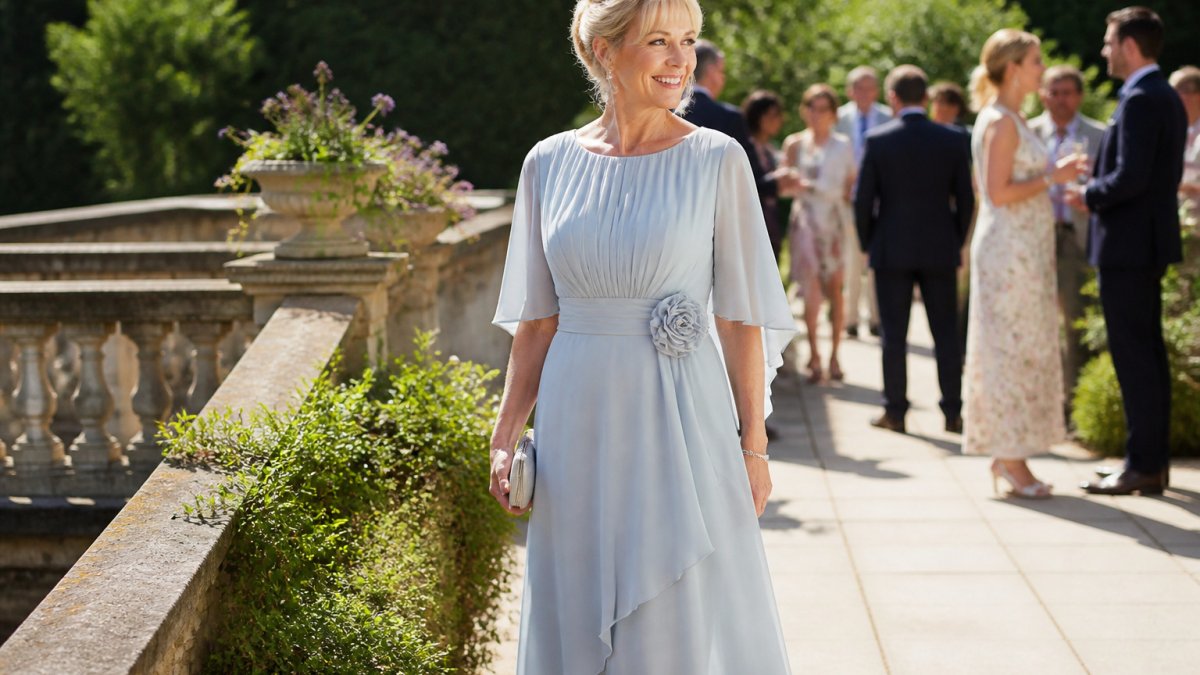
For winter or evening events in a heated venue, satin’s richer appearance and warmth become an advantage. Think about the temperature you expect at the venue, not just the date on the calendar.
Mother of the Bride Dress Fit and Comfort: Construction Matters as Much as Fabric
Fit determines comfort more than any single fabric property. A dress that is slightly too tight will feel uncomfortable in satin or chiffon alike. But fit is not only about size, it is about how the garment is built. Two dresses in the same fabric and the same size can feel completely different after four hours of wear.
The Construction Details That Decide Comfort
- Lining. Chiffon almost always needs a lining or slip to avoid transparency. That layer adds warmth, so ask what the lining is made from. A breathable lining such as cotton or viscose feels cooler than a synthetic one. Satin may need less lining but can show seams and pressure points more clearly.
- Seams and seam finishes. French seams and bound seams lie flatter and are less likely to rub. Overlocked seams on a close-fitting bodice can create pressure points under the arm and at the waist.
- Boning and structure. A boned bodice holds its shape and can flatter, but boning that sits too low or too tightly will dig in when you sit. Ask whether the boning is soft or rigid, and where it ends.
- Waistbands and waist seams. A firm waistband can feel restrictive after a meal. A slightly relaxed or elasticated back panel is often more comfortable for long seated periods.
- Sleeves and armholes. Sleeve cut and armhole shape affect how freely you can raise your arms. A high, tight armhole restricts movement; a slightly lower armhole with a soft sleeve is easier for greeting and dancing.
Comfort by Body Area
- Shoulders and arms. Look at sleeve cut and armhole shape. If you want coverage without heat, a chiffon sleeve over a satin bodice gives coverage with less weight.
- Waist and midriff. Check whether the bodice has boning or a structured panel, and whether the waistline sits where you want it. A waist seam that sits slightly higher or lower can transform comfort when seated.
- Hips and thighs. Skirt volume and lining matter here. A lined chiffon skirt glides; an unlined one can cling.
- Back and bust. Internal support and the position of any boning affect how the dress feels after hours of wear. Discuss support at your appointment, particularly if you plan to sit for long periods or stand through a reception.
A Practical Decision Tool for the Wedding Context
Use this quick matrix to narrow the choice before you try anything on. It is a starting point, not a rule, the fitting is where the real decision is made.
| Your priority | Lean towards | Why |
|---|---|---|
| Warm outdoor ceremony or marquee | Chiffon, or light satin with breathable lining | Airy drape and lighter weight |
| Formal indoor evening reception | Satin, or satin bodice with chiffon skirt | Structure and polish; warmth is an advantage |
| Long seated periods (meal, speeches) | Soft-waisted chiffon or unstructured satin | Less pressure at the waist |
| Dancing and movement | Chiffon skirt, fitted bodice | Movement below, support above |
| Coverage for arms and shoulders | Chiffon sleeves over satin bodice | Coverage without heavy weight |
| Minimal creasing | Chiffon, or a crease-resistant satin blend | Chiffon recovers; satin shows creases |
| Easy care and stain forgiveness | Chiffon in a mid or dark tone | Less visible marks; forgiving drape |
Fabric sets the tone, but construction sets the comfort. Ask about lining fibre, seam finish, boning placement and waistband style at your fitting, these details will affect how the dress feels far more than whether it is labelled satin or chiffon.
Alterations can improve comfort considerably, so allow time for them. Lining, seam finishes and the position of any internal support all affect how the garment feels after hours of wear. Discuss these at your appointment, particularly if you plan to sit for long periods or stand through a reception.
Choosing Your Dress: Book a Fitting at Sofi Designs
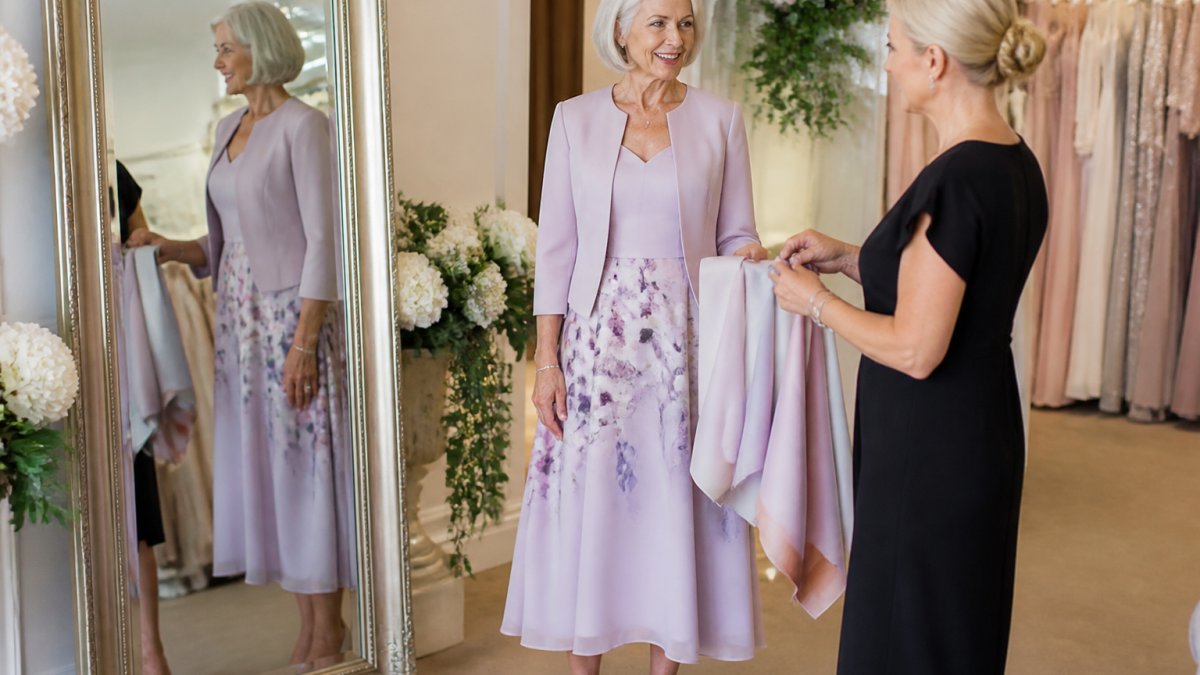
Trying fabrics on in person is the surest way to know how they feel. Sofi Designs offers personalised, one-to-one appointment-only consultations with expert fitting support. To arrange an appointment, book your appointment today.
Frequently Asked Questions
Which material is better, chiffon or satin, for a mother of the bride dress?
Neither fabric is better in every case. Chiffon is lightweight, breathable and flowing, which suits long days, warm venues and dancing. Satin has a smooth, structured sheen and a more polished, formal look, but it is heavier and holds heat more. If comfort is the priority, chiffon usually wins. If you want a sharper, more tailored silhouette, satin is the stronger choice. Consider the venue, the season and how long you will be standing before deciding.
Is chiffon cooler to wear than satin?
Generally, yes. Chiffon is a light, airy fabric that allows air to move through the weave, so it tends to feel cooler in warm weather. Satin has a closer, smoother surface and is typically heavier, which can feel warmer on a summer day. Lining choices and the cut of the dress also affect temperature, so check the construction as well as the fabric when comparing options.
Does satin feel heavy or cling to the body?
Satin can feel heavier than chiffon, particularly in heavier weights or full-length styles, and its smooth surface can cling where it sits close to the body. Structured satin silhouettes are often designed to skim rather than cling, which many mothers find flattering. If clinging is a concern, look for a cut with some ease through the body or a lining that allows the fabric to glide.
What should the mother of the bride wear for a summer wedding?
For a summer wedding, many mothers choose chiffon or a lightweight fabric with good breathability, as it moves well and feels cooler through the day. A softer, flowing silhouette can also be easier to wear for photographs and seated ceremonies. Satin can still work for a summer event if you prefer its formal finish, particularly in an evening setting or a shaded venue. Sofi Designs offers one-to-one appointments to help you compare fabrics in person.